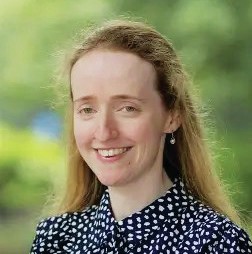
In another revealing look at grassroots dog racing we are delighted to bring you more of Dr Louise Powell’s memories of the tracks, dogs and characters of her youth in the north east.
With the kind permission of our friends at Star Sports we have been delighted to offer a series of transcripts of Emily Wallis’s interviews with the young greyhound trainer, academic and author.
We would urge all readers to look out for Underdogs, a brilliant novel written By Dr Powell in her native dialect – and the great news is, as revealed in her Betting Prople interview, there is more in the pipeline with further volumes planned – and even talk of a possible feature film.
So look out Michael Caine and Get Carter, take your fag and pint Andy Capp and |move aside – there’s a new star rising.
Smitten by love of the sport and the dogs young Louise was getting deeper involved behind the scenes – and the interviews take up the story:
Emily Wallis: You mentioned Right Paddy earlier. I believe you eventually went on to train him yourself. How did that come about?
Louise Powell: That’s right. Paddy was running at Sunderland, initially with Ken Dobson and then with Graeme Strike. He stayed with Graeme for about nine months and was running in A2 and A1. He won an A1 in 27.33, which was a really good time for a young dog at Sunderland.
Then he lost his form a bit. We told Graeme to take it easy with him and eventually he started coming back. He was trialing in around 27.30 again, so we thought he was back.
Unfortunately, after his first race back, on a really hot summer’s evening, he decided to run around the track another three times! He ended up with acidosis and became quite unwell.
By then we’d bought out the other members of the syndicate, so I said, “Look, let’s just bring him home and have him as a pet.”
We brought him home and looked after him. Three home-cooked meals a day, lots of good meat and vitamins. He put weight on, we started building him up with walks again and took him swimming.
When you’ve grown up with dogs, you can see when a dog starts to sparkle again. He was telling me he wanted to run. But I’d become too attached to him to put him back with another trainer.
My cousin, who’d helped me get Paddy in the first place, said, “Well, why don’t you just take out your own licence?”
He knew someone who’d held a licence at Pelaw and explained what I needed to do. We converted our long garage into kennels, with an insulated sleeping area and space at the front where I could work with him indoors.
We got everything passed. We could have been licensed for three dogs, but I said, “No, we’ll just have the one.”
EW: So how did you get on when you started taking him to the licensed tracks?
LP: I took him to Newcastle first. I’d taken dogs to the flapping tracks with my dad, so I knew roughly how things worked, but I’d never done it on the licensed circuit.
Luckily, Ian Walton, the racing manager, was there. He introduced me to some trainers who took me under their wing. They showed me how to weigh in and helped me get Paddy settled.
He trialed well. I think he did around 17.60 and led another dog to the corner that went on to win a sprint open.
But the most important thing was how happy he was afterwards. He was absolutely buzzing, just over the moon.
We went back the following week and he enjoyed himself again, so I thought we’d take him to Sunderland with the open races coming up.
The trainers there were lovely, but Paddy suddenly decided he didn’t want to go into the traps!
Looking back, I think it was because he was trialing on his own. He was probably thinking, “Why haven’t I got another dog to race? What are you putting me in here for?”
He’s a big 34-kilo dog, so getting him in was quite a struggle. But he went round in about 27.70, which was roughly A2 time, after being off the track for about nine months.
The track staff remembered him and were shouting, “Get in there, Paddy!” I’m sure a couple of them had a bet on what time he’d do.
The following week he refused the traps again. One of the old-timers came over and said, “I’ll get him in, nay bother.” Even he struggled!
Paddy went round but came off looking a little sore. I didn’t really have the confidence then to say, “It’s all right, I’ll give him a break and bring him back.” I just thought I’d retire him.
So we never actually got to race him ourselves.
Looking back, I think it was a confidence thing, on my part as much as his. He loved chasing and being around the other dogs. I think he was saying, “I’m here to race, not to go for a little jog!”
EW: Having experienced both flapping and licensed racing, how different did you find them?
LP: Massively different. When I applied for my licence, there were references, inspections, the stipendiary steward coming round, veterinary checks, regulations and audits.
With flapping it was literally, “Right, Paddy in the boot, let’s go racing!”
But I think the regulations are great because they’re there to safeguard the dogs. That’s what we all want, isn’t it? For the dogs to be happy, fit and enjoying themselves, with the best conditions we can give them.
The other big difference was the trainers. Flapping was any man or woman and their dog, from 18-year-olds to people in their eighties or nineties.
At Sunderland and Newcastle there were contracted trainers with big kennel strengths, proper gallops and facilities on a completely different scale from anything I’d known.
It was quite intimidating when you were coming in with just one dog.
And the crowds were different. I was used to flapping tracks where there’d be loads of people, a massive community where everybody knew everybody.
Sometimes at Sunderland there’d be the trainers and just a handful of spectators. That was a real shock to the system.
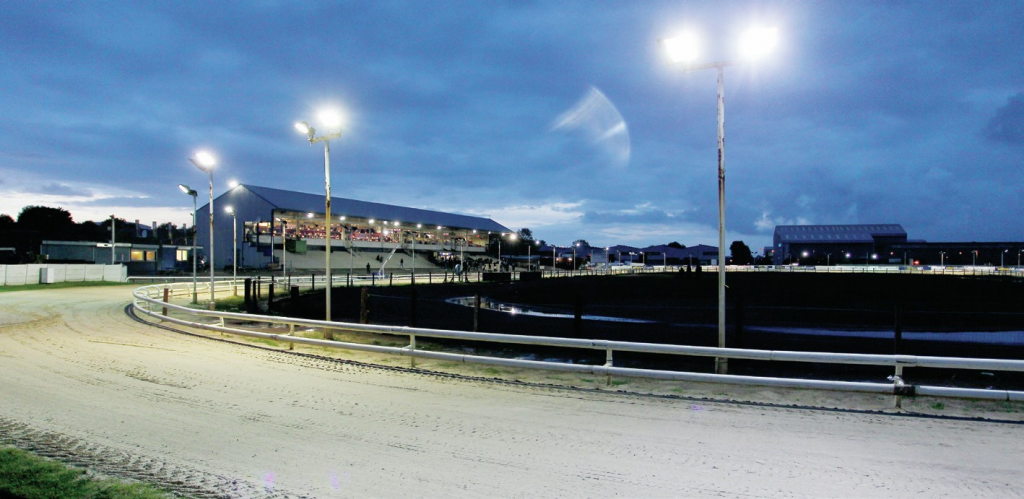
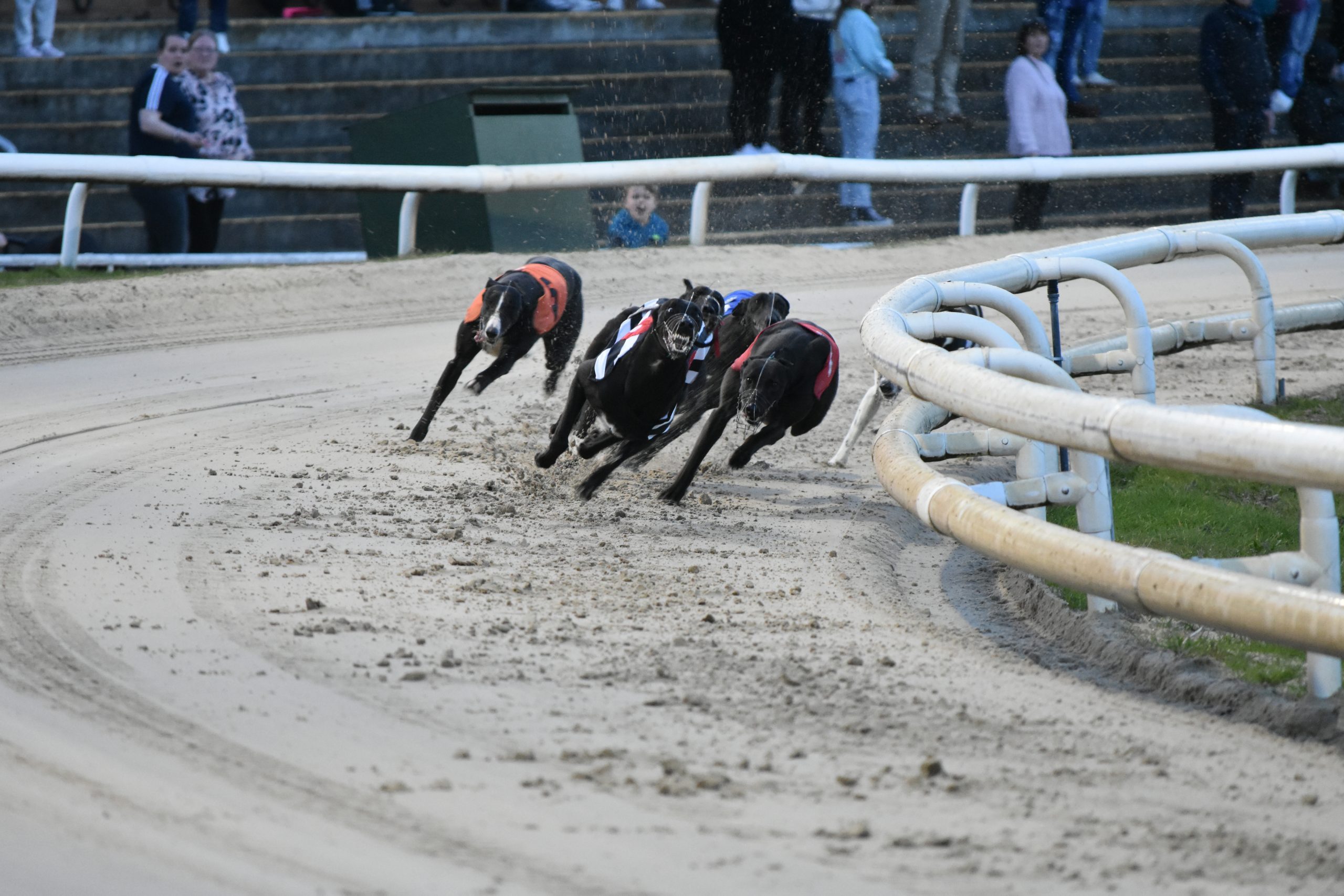
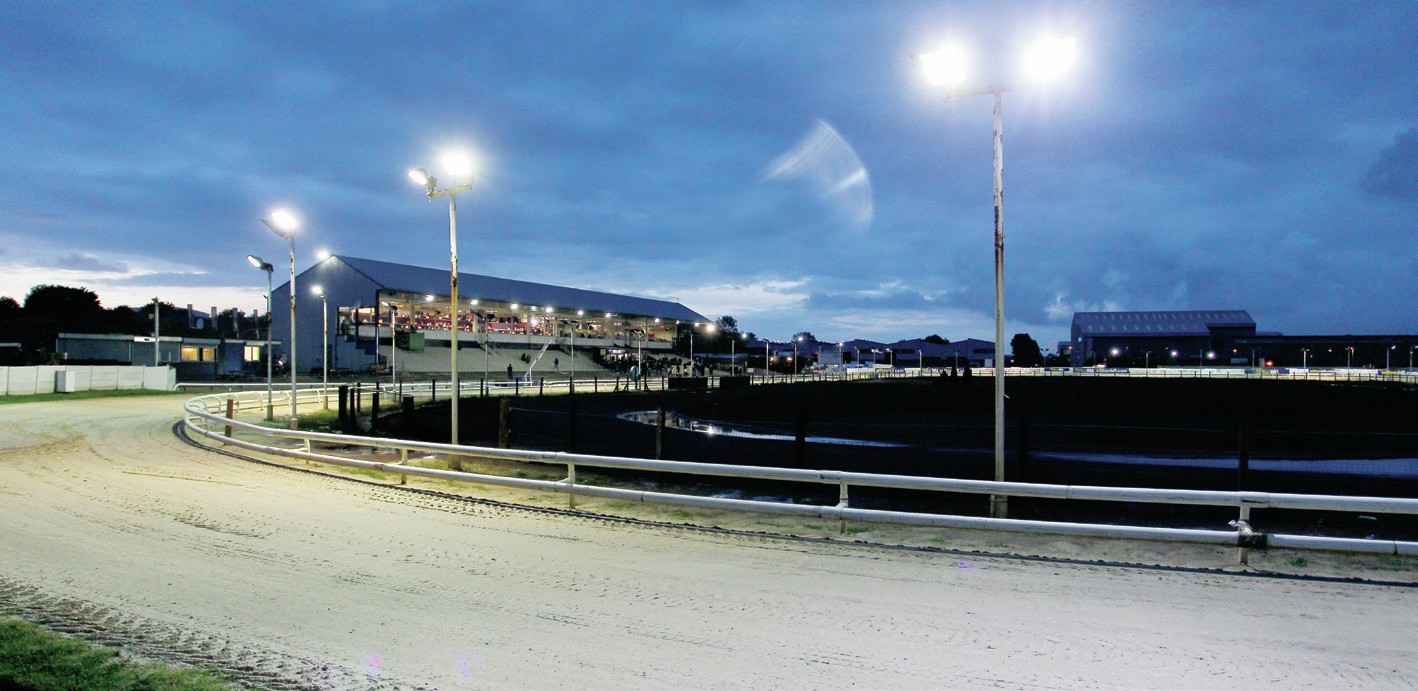
Licensed greyhound racing at Newcastle was quite different from the tight community of the flappers
EW: Do you think that community spirit is still there?
LP: Not quite in the same way. Flapping felt like one big extended family. Licensed racing feels a bit more scattered.
But the people were lovely to me. At Newcastle the trainers would help me weigh in, wash Paddy’s feet, hold him while I got things ready. Someone even offered me a jacket because mine didn’t look quite right.
That really reminded me of the flapping world.
Even now, when I go racing, I feel as though I should be in the kennels getting a dog ready. I get a bit twitchy sitting in a restaurant. It doesn’t feel right!
I do think some of the afternoon meetings lack atmosphere. But then you go to a big finals night at Sunderland and it’s absolutely rammed. You see the old crowd, everyone’s having a joke and winding one another up. That’s lovely.
And Star Pelaw is probably the closest thing to flapping I can think of in licensed racing now. There are smaller trainers, quite a few former flapping people, and everyone’s welcoming.
I’d love to see more people coming to the tracks, particularly people who might have just one dog, feeling they’ve got a place there alongside the big kennels.
EW: Would you ever consider training again?
LP: I’d really like to. I think I’m much more confident now. I know Paddy inside out and I’ve learnt that I’ve actually got quite a decent instinct for a dog.
You can tell when they’re coming good, when they’re fit or when they’re a bit flat. I can read a race reasonably well too.
What I’d really like is somewhere with a bit more land and a gallop of my own.
When we were flapping, we’d take the dogs into a field or up a little hill, checking everything was safe first. With licensed racing you have to be much more careful about what dogs might come into contact with, particularly anything that could lead to a positive test.
So if I had somewhere with a bit of land, I’d love to train again. Never a huge kennel strength, just one or two dogs. I’d really like to go back to it one day.
EW: You’re also very busy with your debut novel, Underdogs. Tell us what it’s about.
LP: Underdogs is a literary fiction novel set in County Durham in 1998.
It follows a 10-year-old lad called George and his dad, Reg, who become involved in a gambling ring revolving around the dog track at Easington.
The ring is run by a very charismatic former miner called Bertie. Reg and George have had a difficult time and see Bertie’s scheme as a chance to change their lives. But there are dark secrets surrounding Bertie which gradually emerge as the novel unfolds.
The whole book is written in East Durham dialect.
So if anyone reads it and thinks, “That lass doesn’t know how to spell,” it’s not that! I’ve written it the way people at the track would actually speak.
That was really important to me because I wanted to recreate that world as it was.
EW: How much of it comes from your own childhood at the tracks?
LP: A huge amount. It’s set at Easington Greyhound Stadium, where I used to go from the age of six.
The track doesn’t exist any more, but I’ve tried to recreate the atmosphere of the late 1990s as I remember it. I’d love someone who went there to read the book and think, “Oh yes, I can picture that.”
The characters are completely fictitious. They’re not based on anybody who actually went racing there, although the world they inhabit certainly existed.
I’ve changed one or two details about the layout of the stadium for the sake of the plot, so I’m sure someone will say, “That door wasn’t there!” But generally I’ve tried to bring the place back to life.
EW: How long did it take to write?
LP: Six and a half years! The idea really began with a screenwriting programme I did in 2016. I wrote a script set in the flapping world which never got made, but a couple of the characters from that found their way into Underdogs.
It took me a long time to learn how to write a novel. People think you just sit down and it all pours out of you, but it really doesn’t.
You’ve got to think about structure, characters, the arc of the story, pacing and, particularly in my case, finding the right voice.
I think it took me about three years to realise I needed to write it in dialect. I’d been trying standard English and it just wasn’t working.
But dialect is quite difficult to write. You’re breaking all those rules of grammar and punctuation you’ve spent years being told are right.
As a working-class writer, you also struggle with imposter syndrome. You wonder whether there’s a place in publishing for stories like yours.
Publishing tends to favour middle-class stories and stories set around London rather than working-class northern stories.
And life was going on around the writing. I was self-employed, doing various freelance writing and research jobs. My dad had cancer while I was writing it and my mam developed an autoimmune disorder. There was quite a lot to navigate.
EW: It must be very rewarding to see it finally becoming a book.
LP: It really is. I’ve seen a proof copy and that was very special. To see your words actually printed as a book is incredible.
There’s an audiobook as well, and I’ve heard a sample from the actor who’s narrating it. He’s fantastic.
It’s a lovely feeling to have got there and done it.
EW: Have you encountered opposition because you’re writing about greyhound racing and the working-class flapping world?
LP: Yes, particularly online. I’ve done quite a lot of work on the social history of flapping – memoir, short film, podcasts and audio drama – and I’ve had trolling because it’s about greyhound racing.
You get the anti-greyhound racing people who aren’t willing to look at the facts or listen to our side of things.
Then there’s the class element. I’ve had people saying things like, “You’re writing about benefit scum,” or, “That’s what riff-raff used to do.”
I’ve even been threatened because of the work I do.
But that’s generally come from the online world rather than academia or publishing.
My publishers have been absolutely brilliant. They’re fascinated by the world. Some of them knew nothing about flapping or greyhound racing, but they’ve become really interested. People have said they want to go to the track or even adopt a retired greyhound.
New Writing North have also been incredibly supportive. Back in 2019 I wrote about going flapping as a six-year-old, which was published in an anthology called Common People.
They encouraged me to think about writing a novel set in that world, and they’ve been behind me ever since.
EW: You’ve also won an important literary award.
LP: Yes, the Sid Chaplin Northern Writers’ Award, which was specifically for writers from working-class backgrounds.
Sid Chaplin was a wonderful North East writer who was also a miner. He wrote novels, plays and short stories, so winning an award in his name was very special.
It was for the first 6,000 words of Underdogs, and it gave me such a confidence boost.
Literally the day before I got the email saying I’d won, I was looking at the manuscript thinking, “I don’t know if this is working. Maybe I need to start all over again.”
The award also helped me get my literary agent.
The early response has been lovely. People have said the characters feel like family, and what’s particularly encouraging is that readers who know nothing about greyhound racing are becoming invested in that world.
It was also selected by New Writing North as one of the eight best northern debuts of 2026.
And there’s a Guardian review from Benjamin Myers, who’s a writer I really admire.
EW: The book was due out in July, with some special events planned at the greyhound tracks.
LP: Yes, we’ve had fantastic support from the greyhound community, even while I was still writing it.
For the launch at Star Pelaw, my mam and dad saved up for 18 months to book the restaurant, and my brother saved up to pay for the drinks.
We’ve got family, friends and dog people coming, and there’ll be trophy races named after the book.
We’re also doing collections for retired greyhounds, and Right Paddy is coming along. Not to race this time, just to be an ambassador and help with the collections!.
The support has been brilliant. Every nice comment, every bit of encouragement, has meant so much.
EW: Finally, apart from possibly training greyhounds again, what are your ambitions for the future?
LP: Career-wise, I’d really like to become known as a high-quality literary fiction novelist.
I admire writers like Benjamin Myers and Pat Barker, northern writers who tell stories about the North and about people whose stories don’t always get heard.
I’ve already done the groundwork for two more novels. Neither is set in the flapping world. One is set in the early 2000s and the other in the eighteenth century.
There are gambling elements in both, though. I think that’s going to be a theme in my writing, along with class, family and masculinity.
It’s taken me a long time to realise where I wanted to go as a writer because I’ve worked in so many different forms. But I definitely feel I want to be a novelist.
Having said that, some early readers of Underdogs have said they want a sequel, that the story isn’t finished.
I’d love to revisit those characters a few years further on. In fact, I’ve already started making notes, so I suppose I am writing it!
I always envisaged Underdogs potentially becoming a three- or four-book series.
I’ve also got a film and television agent representing the screen rights. That would be incredibly exciting if something came of it.
I’d love to see greyhound racing portrayed on the big screen, whether in film or television, and perhaps get people from the racing community involved as extras, or even their dogs. That would be wonderful. So we’ll keep our fingers crossed!