By Kye Kennedy
Few sports illustrate the intersection of wagering, colonial ambition, and international exchange quite like Greyhound racing in Macau.
For half a century Macau was the only place in East Asia to see the sleek, high-speed chase of Greyhounds on a professional circuit.
Behind the spectacle of night races, Macau had become a centre for local enterprise and a home for Australian Greyhounds eager to race.
Greyhound racing was a small yet remarkable chapter in Macau’s sporting history, one full of triumphs and hard lessons that would ultimately shape the future of Greyhound racing across the region.
A Colonial vision
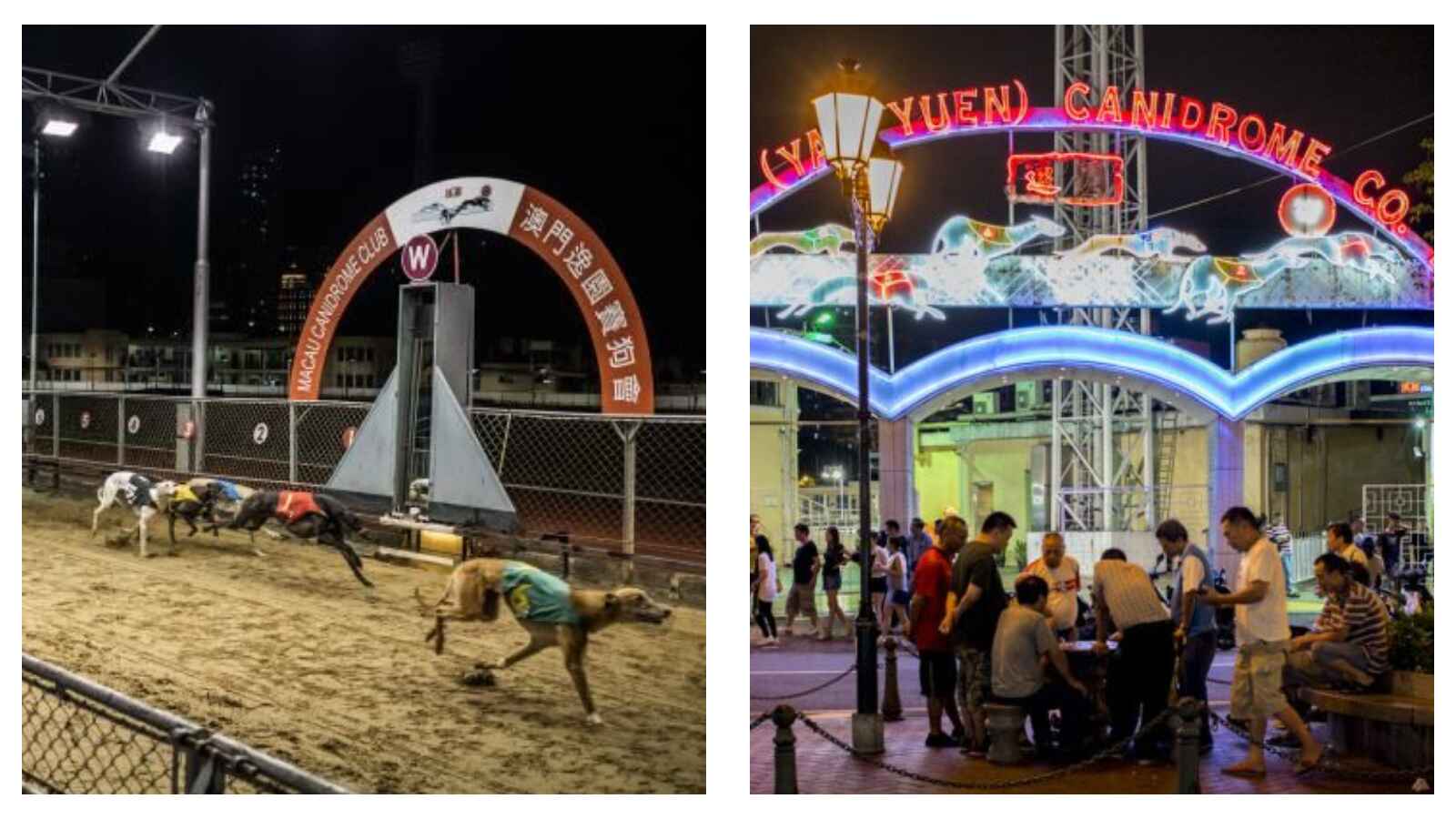
Greyhound racing in Macau developed as a distinctive sporting and betting tradition centred entirely on a single venue, the Macau Canidrome.
For much of the 20th century and into the early 21st, the Canidrome represented the only established Greyhound racing circuit in East Asia.
Its history reflects broader changes in Macau itself, from its period as a small colonial port under Portuguese Macau to its emergence as one of the world’s major gambling destinations.
Although the sport never rivalled casino gaming in scale, it maintained a persistent presence in the territory’s leisure culture for decades.
The origins of Greyhound racing in Macau can be traced to the early 1930s, when the Canidrome was first constructed during a period in which Macau’s colonial administration sought to diversify the territory’s entertainment offerings.
Neighbouring regions
Gambling had long been legal in Macau, and successive administrations recognised its value in attracting visitors from neighbouring regions.
Inspired by the popularity of mechanical-lure Greyhound racing in Great Britain, and particularly in Australia, entrepreneurs introduced the sport to Macau in the hope that it would appeal to gamblers and spectators alike.
The newly-built track featured an oval racing circuit and spectator stands designed to host regular race meetings, and for several years the venture operated as a modest addition to the territory’s entertainment landscape.
This early experiment with Greyhound racing was interrupted by regional instability. The outbreak of the Second Sino-Japanese War in 1937 altered the political and economic climate across southern China.
Tourism declined sharply and many commercial enterprises struggled to continue operating.
By 1938 racing at the Macau Canidrome had ceased, bringing the first phase of Greyhound racing in the territory to a close.
For more than two decades the track remained dormant, its facilities largely unused as Macau navigated the disruptions of the wartime and immediate post-war period.
YOU MAY ALSO LIKE: The Greyhounds of Spain: A history of Galgo racing
The Yat Yuen Canidrome
It wasn’t until 1963 that the track reopened under the management of the Yat Yuen Real Estate Company.
The reopening occurred at a moment when the territory was again attempting to expand its leisure industries.
Macau’s economy had long relied on gaming concessions and entertainment ventures, and the revival of the Canidrome was seen as another way to broaden the range of attractions available to visitors.
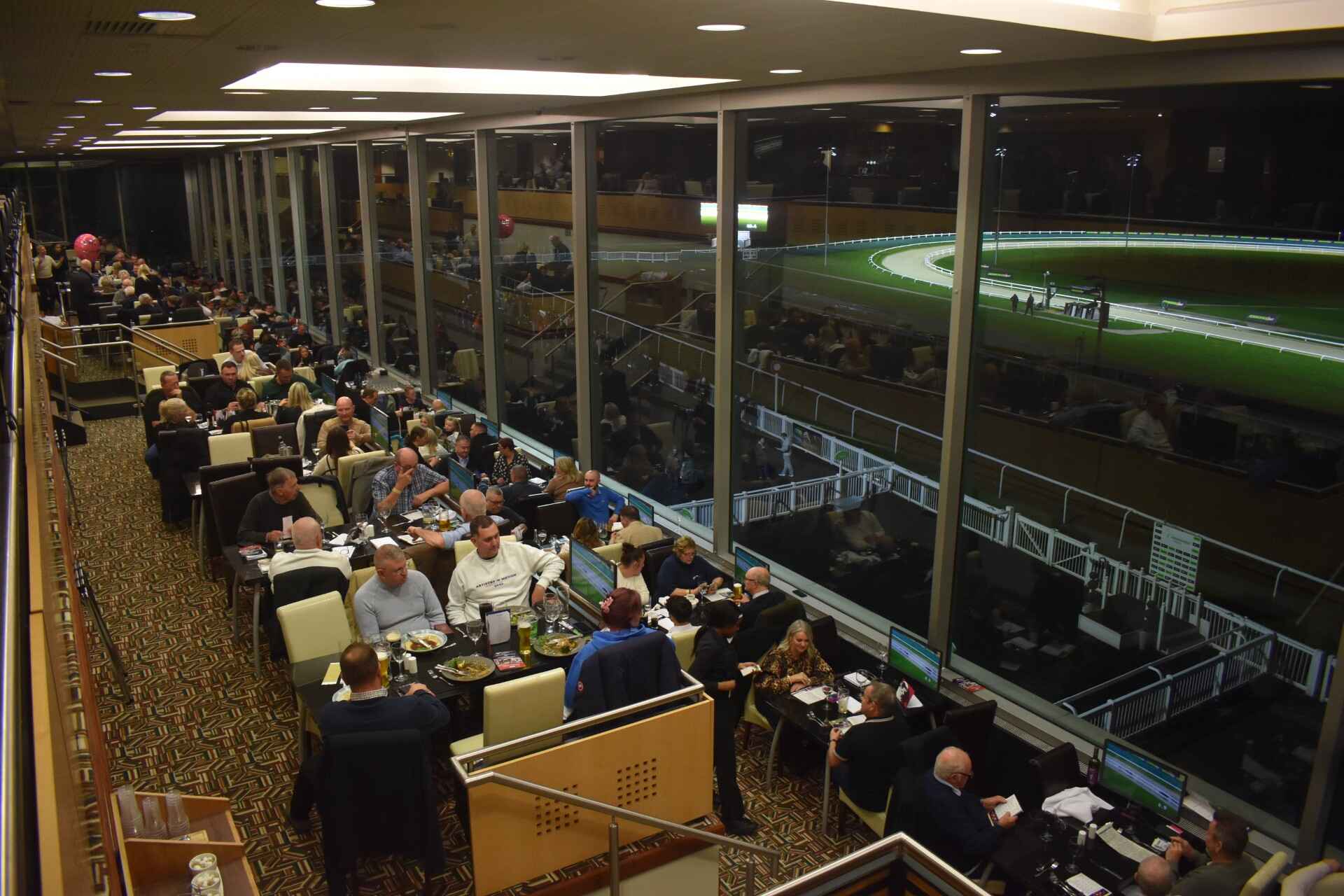
The refurbished stadium retained the familiar oval racing track and expanded the grandstand structure to allow several thousand spectators to watch races comfortably.
Seating areas were supplemented with covered viewing spaces and private boxes that provided elevated views of the track.
Night races
Floodlighting installed around the circuit made it possible to run races at night, which became the standard schedule for most meetings.
Another major component of the updated complex was the kennel and training infrastructure within the grounds.
Racing Greyhounds were housed in dedicated kennel blocks located behind the main stadium structures.
These areas contained rows of individual kennels, exercise areas, and handling spaces where trainers and track staff could prepare the Greyhounds before races.
Five decades
From then on, the Canidrome entered a long period of continuous operation that would last more than five decades.
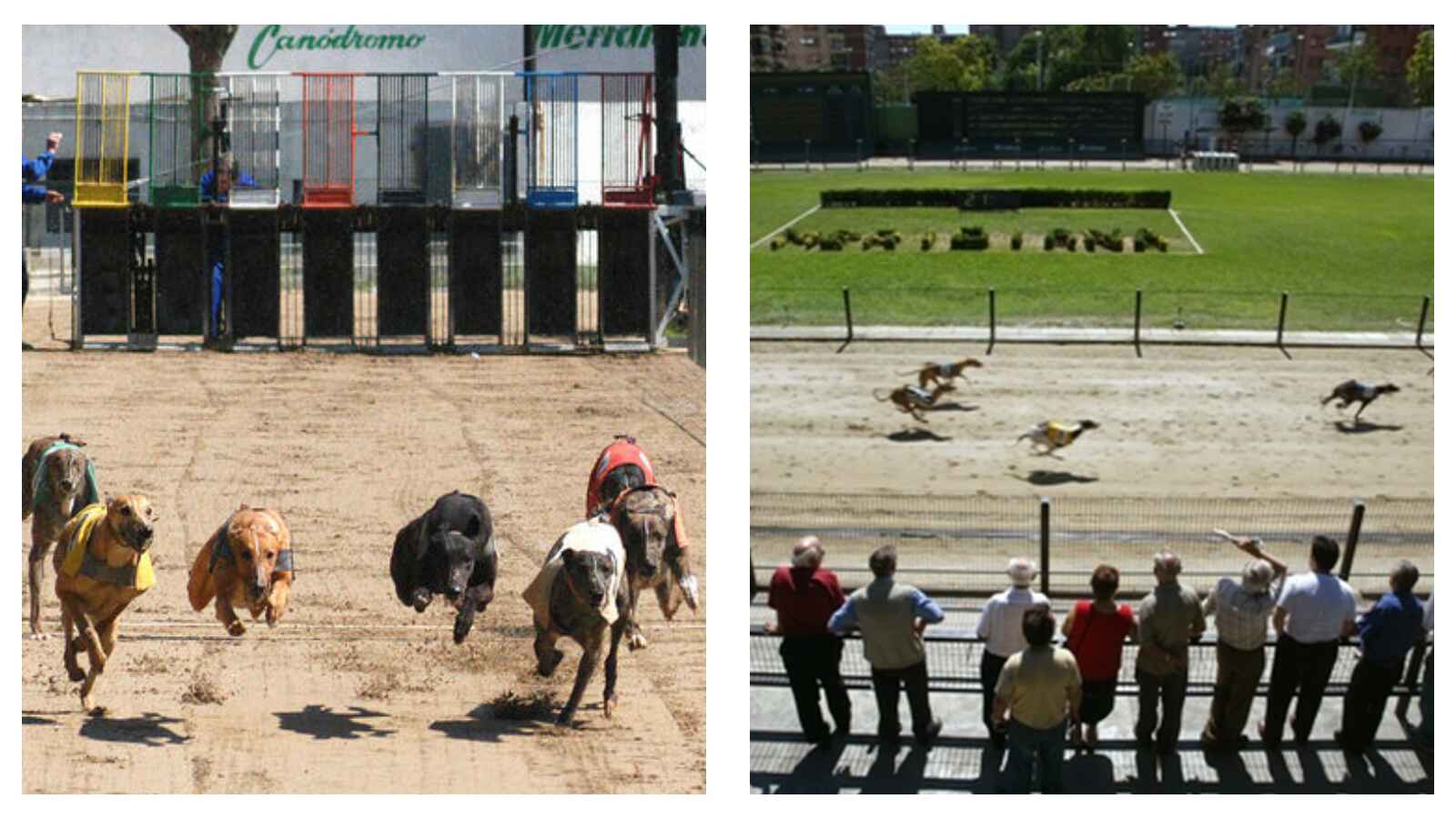
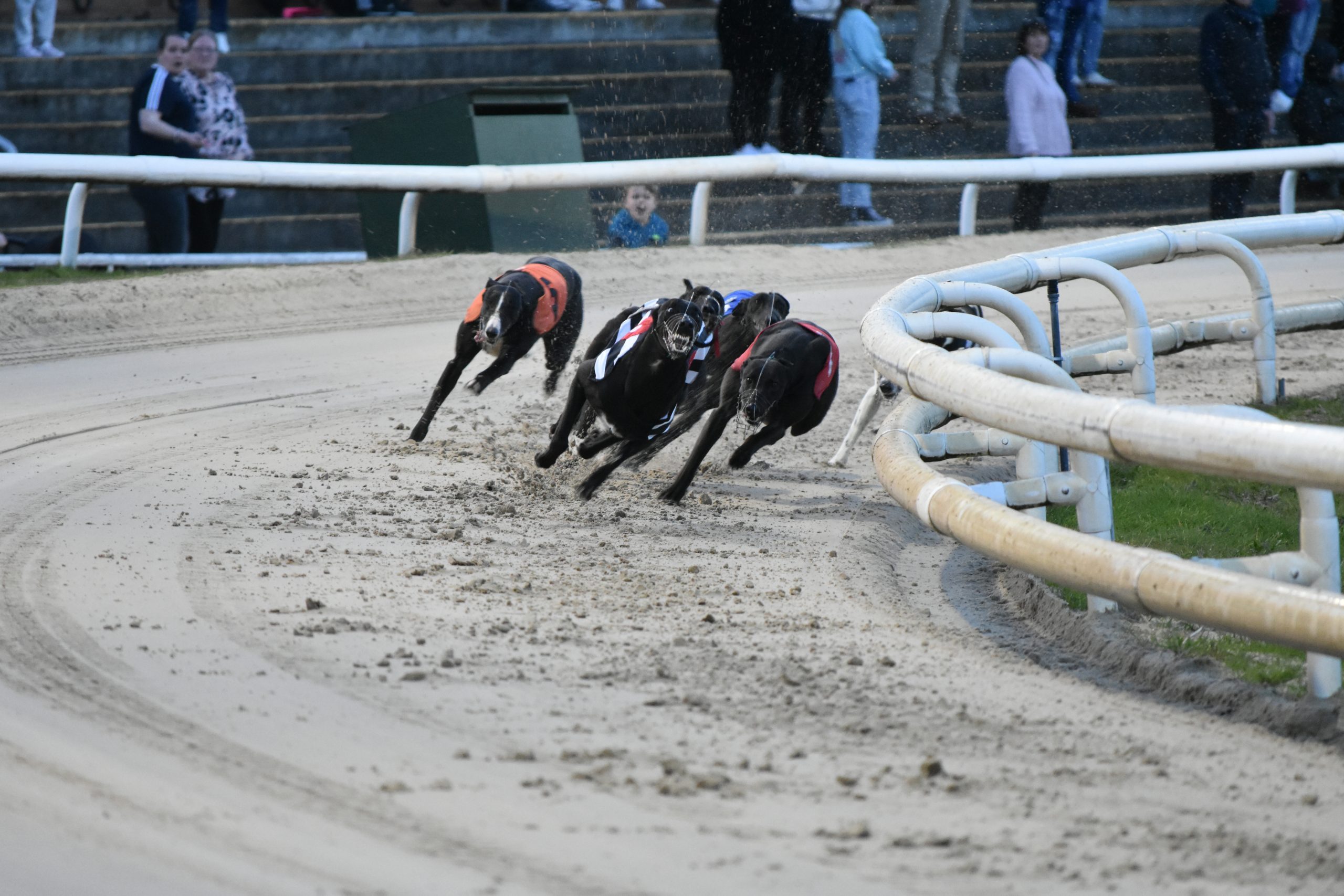
Meetings were held up to five times a week and each race was conducted using a mechanical-lure.
In the initial period of the Canidrome’s existence a live-lure, and in some instances a manually-operated lure, had been used before the adoption of the mechanical system that later became standard.
Macau’s most prestigious event on its racing Calendar was the Macau Invitation Cup, held annually at the Canidrome.
Of the hundreds of Greyhounds that have competed in the three-stage Cup, a number of them found their retirement in Britain.
This includes Amore (formerly Bound Lil), Valentina (formerly Lamma Goit) and Oyster (formerly Oyster Credit), all of which gained notoriety as they departed Macau to live out their lives in British homes.
Imported dogs, missing standards
Macau’s Greyhound racing industry was, in many respects, an international enterprise.
However, Macau, and most of East Asia for that matter, did not boast a large number of native Greyhounds in the 1960s.
To support the future of the sport, large numbers of racing dogs were imported from Australia, which connected the Canidrome to one of the world’s most established Greyhound breeding centres and ensured a steady supply of competitive animals for the track for over half a century.
Yet the transfer of Greyhounds did not necessarily bring with it the broader institutional framework that supported the sport elsewhere.
In countries where Greyhound racing had developed over decades, the industry operated within a network of regulatory bodies, kennel standards, and welfare oversight designed to sustain the long-term health of the racing population.
Different path
Macau’s system evolved along a different path, and the absence of comparable structures meant that the territory’s racing culture developed in relative isolation from the regulatory traditions that characterised the sport in its major heartlands.
Concerns were raised to Greyhounds Australasia, the Australian governing body for Greyhound racing, about the poor conditions at the Canidrome.
After a thorough investigation, Greyhounds Australasia introduced a ban on export passports for any Greyhounds that were to be sent to Macau in 2013.
Despite the ban these exports allegedly continued up until 2015, by which time Greyhound owners in Macau had started to look to Great Britain and Ireland for exports.
Even so, those looking to export Greyhounds would outright refuse to send their Greyhounds to Macau after Greyhounds Australasia released their findings.
Macau’s final lap
The continuation of Greyhound racing in Macau was contingent upon the authorities aligning with international standards.
When such conformity was not achieved, the sport came to a definitive and swift conclusion.
In July 2016, Paulo Martins Chan, director of the DICJ (Gaming and Inspection Bureau), met with representatives of Yat Yuen to deliver an ultimatum: the Canidrome must either close or relocate.
Chan further stipulated that, should the company choose relocation, any new facility would be required to demonstrate improved conditions for the Greyhounds, in line with international standards.
The company was given a two-year period to reach a decision and ultimately opted to close the Canidrome in July 2018.
At the time of closure, however, more than five hundred racing Greyhounds remained in Macau and required rehoming.
Yat Yuen was subsequently fined by the Macau authorities, and the responsibility for the dogs was transferred to the government.
After extensive negotiations and a coordinated fundraising campaign led by animal-protection organisations like ANIMA Macau, a total of 517 greyhounds were provided with veterinary treatment and were successfully rehomed across Europe, North America, Australia, and within Macau itself.
Definitive end
With the closure of the Canidrome, Greyhound racing in Macau, and, effectively, across East Asia, came to a definitive end.
The site was promptly redeveloped into a sports and leisure complex to support the neighbouring Lin Fong Sports Centre.
While the legacy of Greyhound racing in Macau remains a cautionary tale, it also emphasises the importance of strong welfare standards for racing Greyhounds worldwide.
In Great Britain, the Greyhound Board of Great Britain continually enhances the care and well-being of racing Greyhounds, which has helped to establish Great Britain as a world leader in Greyhound welfare.
Their comprehensive regulation and ongoing improvements have set a clear benchmark for how the industry can operate both safely and sustainably.
READ NEXT: Greyhound enthusiast Harley has a morning to remember at Imperial Kennels